Landscape photography for guest experience
Hotel Wall Art & Hospitality Prints
Hotel wall art is part of the guest experience before it is a finishing accessory. It appears in booking photographs, shapes the first minutes in a lobby, gives corridors a sense of progression, and helps a guest room feel connected to its location rather than assembled from anonymous parts.
Landscape photography is especially useful in hospitality because it can carry region, season, color, and atmosphere at once. The strongest programs avoid generic repetition: they build a visual story that belongs to the property and changes appropriately between public and private spaces.
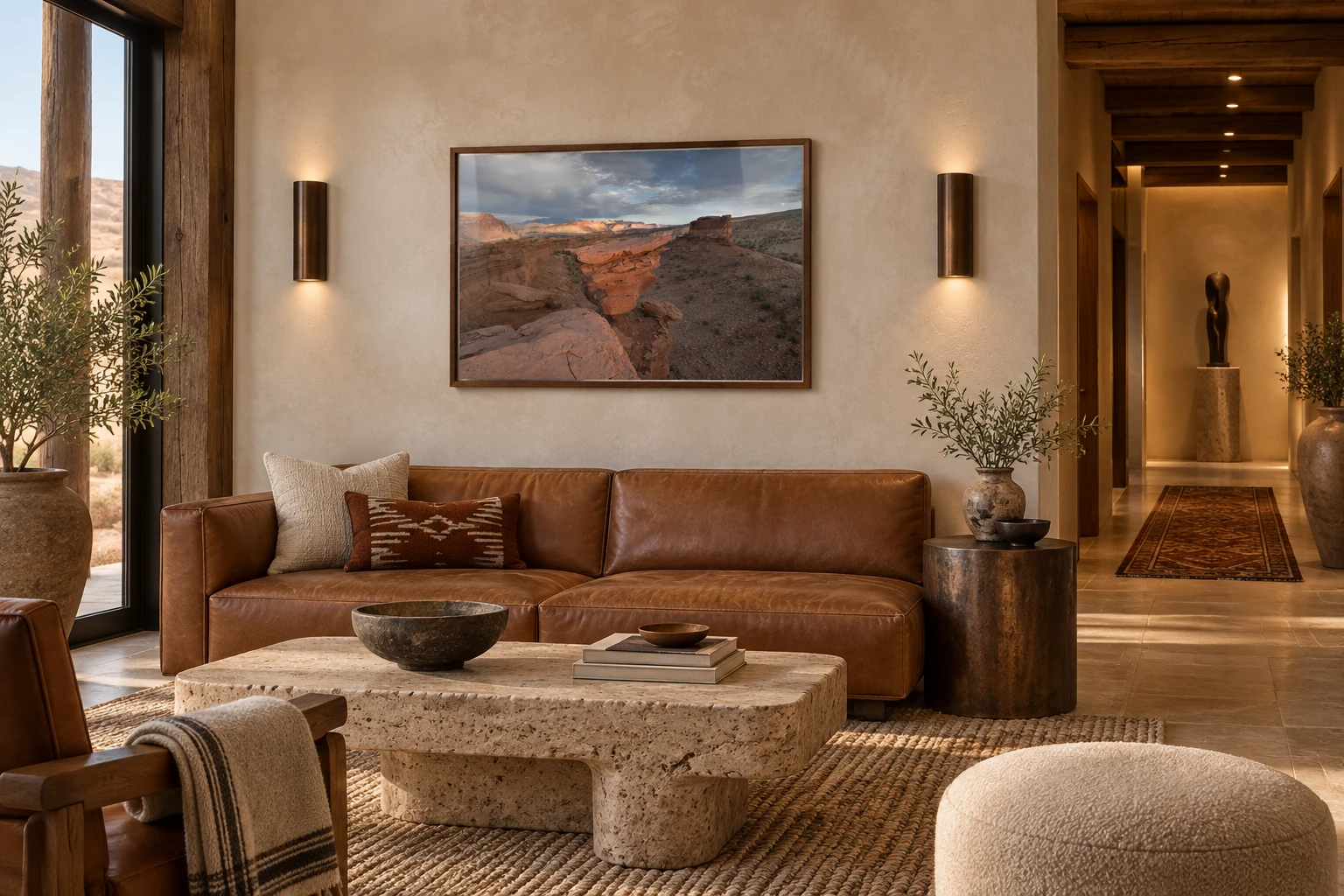
Selection guidance
What matters when choosing artwork for this setting.
- 01
Begin with place
Regional landscape gives a property specificity. Use a local or geographically related collection when it supports the brand story and guest expectations.
- 02
Change the tempo
A lobby can carry a bold oversized work; guest rooms often benefit from quieter images; corridors need rhythm and clear variation across repeated bays.
- 03
Specify for operations
Coordinate dimensions, mounting, replacement strategy, cleaning, lighting, and volume production early enough to protect the design intent.
The physical environment affects the hotel experience
Hospitality researchers use the term servicescape for the physical environment in which a service is delivered. A 2019 hotel study found that several servicescape dimensions contributed to guests' pleasure and arousal, which in turn related to favorable behavior. The research addresses the environment as a whole rather than isolating wall art, so artwork should be planned in concert with layout, lighting, materials, and brand cues.
This is why an oversized landscape behind reception performs differently from a small print repeated in every room. Scale, context, and the sequence of encounters determine whether art becomes part of the property's identity or disappears into the background.
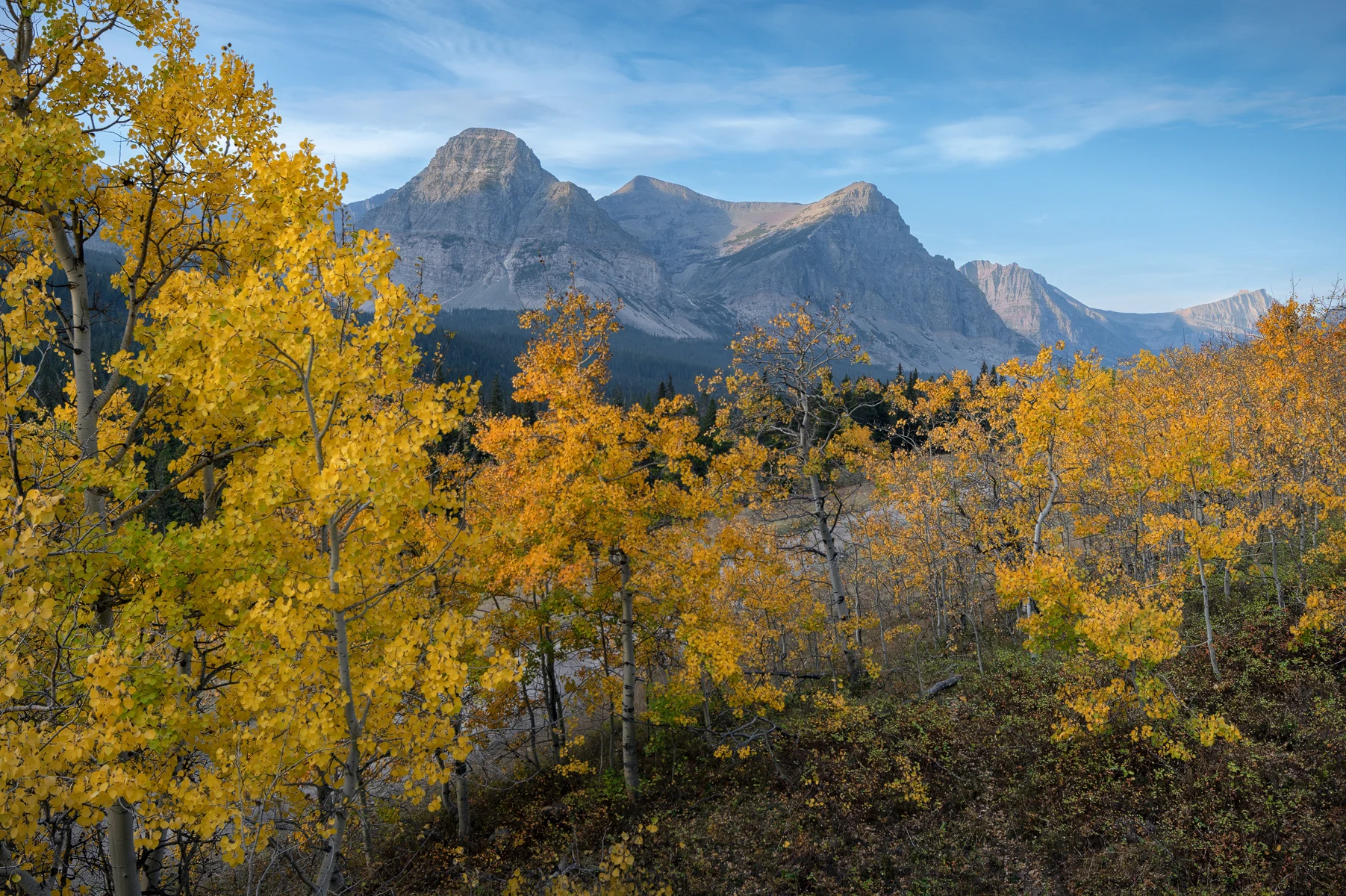
Build a collection with hierarchy and variation
Choose a small number of hero images for lobby, lounge, restaurant, and conference areas. Support them with related works in guest rooms and circulation spaces. The collection can share geography or light quality while varying orientation and visual intensity to fit each wall.
Guest-room art should photograph well, remain comfortable during a multi-night stay, and relate to upholstery, wall color, and headboard dimensions. Corridors benefit from distinct images at decision points. Restaurants and bars can support richer color or lower-key scenes when the lighting and concept call for them.
Practical placement
How to specify the artwork for the actual space.
- Lobby and reception
- Use a memorable large-format image with clear brand relevance and controlled lighting; verify how it appears in property photography.
- Guest rooms
- Coordinate scale with the bed or seating wall, favor images that reward repeated viewing, and establish a practical replacement specification.
- Corridors
- Create rhythm without identical repetition; use stronger landmarks at elevators, intersections, and room-zone transitions.
- Restaurant and lounge
- Match the artwork's contrast and color temperature to lower ambient light and the desired social energy.
Research sources
Evidence behind the guidance.
These peer-reviewed studies and reviews inform the page without turning artwork into a medical or performance promise. Individual responses, setting, lighting, culture, and research quality still matter.