Hunter Page Fine Art Photography
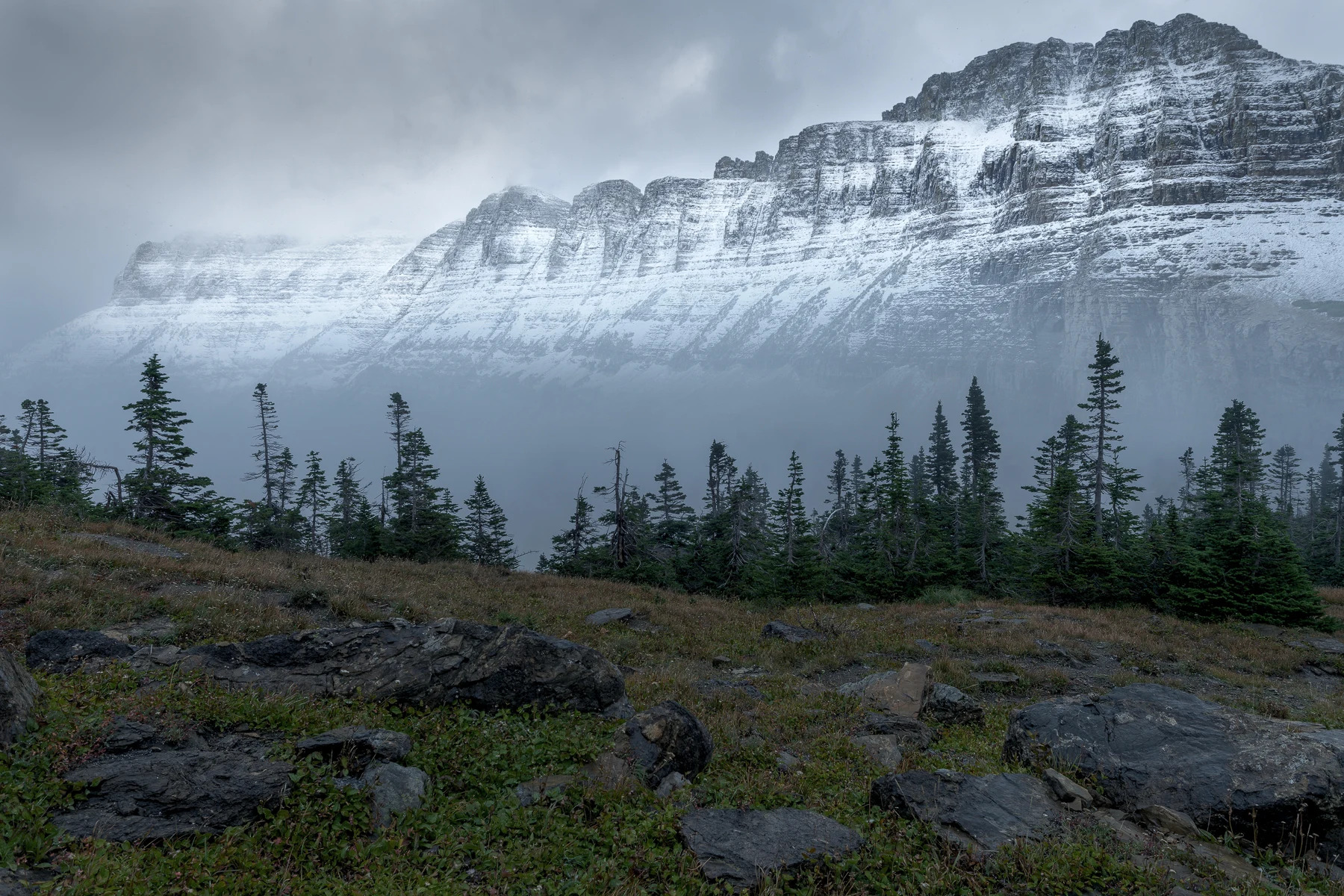
Winter mountains and luminous clouds introducing the Bryce Canyon Winter Photography Workshop

Snow • Stone • Winter light

Bryce Canyon Winter Workshop

Explore the striking contrast of white snow against Bryce Canyon's red and orange hoodoos, with fast-moving weather, fresh snow, and snow-covered forests shaping each day in the field.

Dates

February 18–21, 2027

Base

Bryce Canyon City, Utah

Tuition

$1,850

Group

Four photographers

Availability

Workshop now open

Last year’s participant review

“I have taken a handful of workshops in different countries. Hunter’s workshop in Bryce Canyon is at the highest level. I got spectacular photographs and walked away with a much deeper understanding of composition and light.”

Gray M.

Photograph Bryce with intention, patience, and creative focus.

My approach to photographing and teaching is to move slowly and with intention. Light moves through the scene, revealing or hiding objects, lending a sense of space, depth or height. This happens on a small scale, which is where we will focus our attention.

I will cover how to watch the light, understand its path, and use a telephoto lens to create a work of art in the few seconds when a scene comes to life. If you want to become a more methodical photographer, this is a great opportunity to do so.

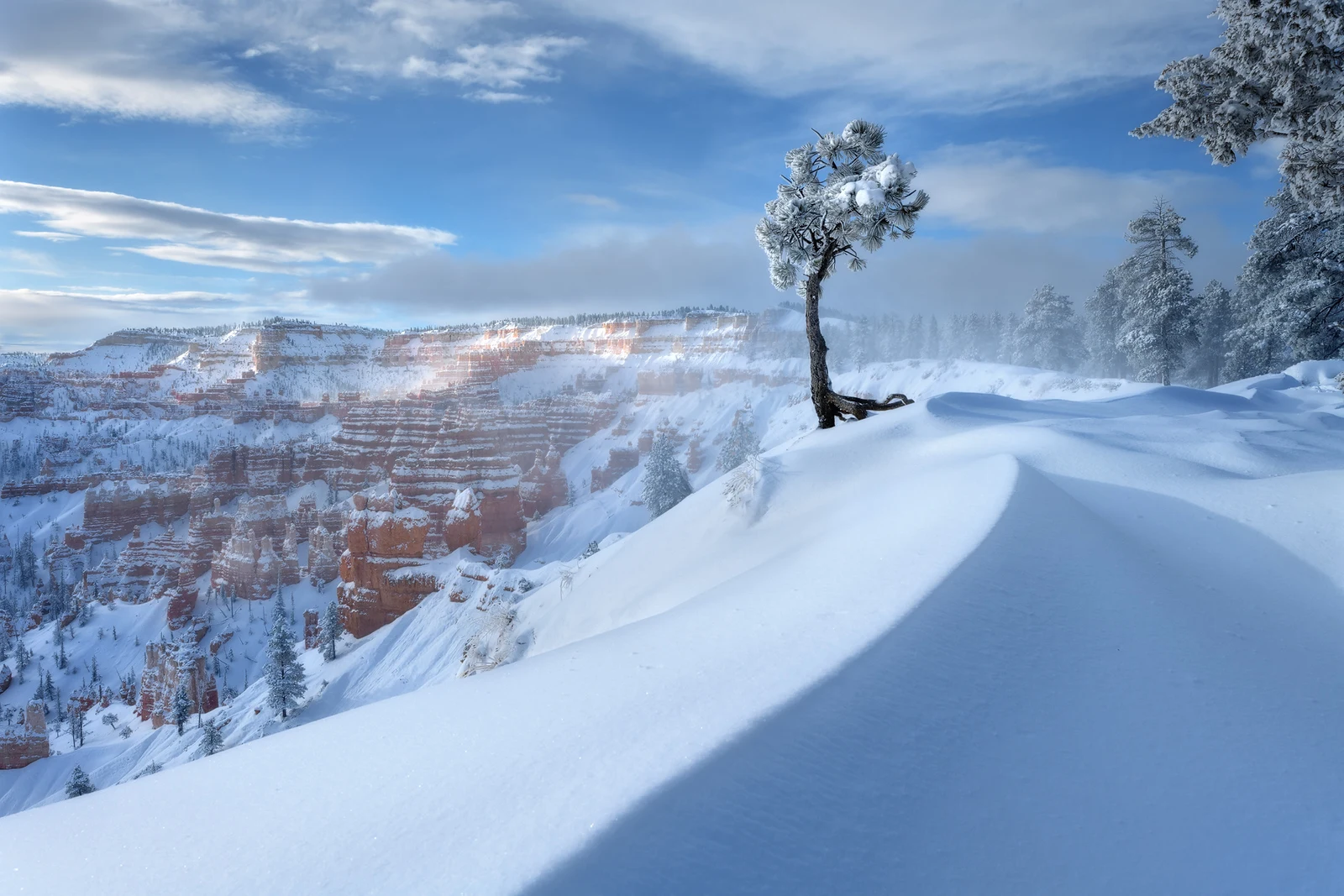
Undulating snow drifts among the hoodoos of Bryce Canyon
Undulating Drifts

What is covered

Everything needed to stay focused on creating.

Included

  • All ground transportation
  • Daily instruction and composition guidance
  • One-on-one in-field instruction
  • Lightroom and Photoshop editing session
  • An afternoon of image reviews

Not included

  • Transportation to or from the airport
  • Lodging costs
  • Airfare costs
  • Travel insurance
  • Food or beverages

Overview

A place I return to in every season.

I have photographed Bryce Canyon for 12 years, with much of that work shaped by the winter months. Living two hours away lets me study its light, storms, viewpoints, weather patterns, and quieter compositions throughout the year.

Year-round, I guide daily photography tours here, in all kinds of weather conditions. This is not a landscape I visit once a year to teach. I know it through cold mornings, deep snow, summer monsoons, clear nights, wind, and fog, and that familiarity shapes every decision we make in the field.

With only four to five photographers, there is time to slow down, test a variety of compositions, and receive personal guidance that reflects your experience level, the conditions, and my expertise.

Snow-covered hoodoos rising through winter light at Bryce Canyon

Learning to see

Find order inside an extraordinary landscape.

Bryce Canyon can be overwhelming. Thousands of hoodoos can complicate things and ask for attention, and the strongest photograph rarely comes from including everything. Snow gives us a way in by creating space, color separation, repeated shapes, and breathing room.

I'll teach you how light moves through the canyon, in order to study the light with intention, how the natural blues contrast with warm sandstone, and how small shifts in position change the relationship between forms.

This workshop focuses on intention: slowing down, finding the scene within the larger landscape, and staying vigilant and dedicated enough to create imagery beyond the obvious. Many of these photographs move closer to an abstract feeling without becoming abstract; they are intimate scenes, smaller compositions that reveal the character of Bryce through detail, rhythm, color, and form.

Workshop at a glance

Create with more time, attention, and guidance.

Explore the striking contrast of white snow against Bryce Canyon's red and orange hoodoos, with fast-moving weather, fresh snow, and snow-covered forests shaping each day in the field.

The creative practice

Winter light

Recognize warm reflected light, cool shadows, fog, clearing storms, and the long clean shapes created by a low winter sun.

Composition

Use snow as negative space, isolate hoodoos with longer lenses, and bring order to one of the Southwest’s most complex landscapes.

Exposure

Protect snow highlights, read the histogram and light meter, bracket high-contrast scenes, and retain texture across white winter surfaces.

Craft

Refine your compositions to the core of why you set up there. Dial in manual settings, dynamic-range blending, and Photoshop workflows for clean, natural winter files.

Quality from capture to finish

Technique in service of the photograph.

Technical choices matter when they support what you are trying to say. Each lesson connects lens choice, composition, dialing it in-camera, field decisions, and editing back to the photograph itself.

Daily field discussions and image reviews help you understand why a frame works, what can be simplified, and how to keep delicate snow color and texture intact.

Winter as collaborator

Follow the strongest conditions.

Winter rewards flexibility. Our days follow light and weather—fresh snow, overcast quiet, clearing storms, glowing reflections, or a dry season that opens additional overlooks, forested plateaus, and remote high-country locations normally beyond reach.

Warm winter light illuminating Bryce Canyon hoodoos above fresh snow

Four days shaped by winter light.

Snow, weather, road access, and safety determine the exact rhythm. This outline gives a fuller sense of how field instruction, image review, exploration, and time to warm up come together each day.

A flexible daily itinerary

01 · Day 1

After meeting in Bryce Canyon City, we’ll begin with introductions, a winter-safety briefing, and a conversation about your experience and creative goals. Our first field session allows time to become familiar with the landscape and the workshop’s methodical approach. We’ll study how winter light moves through the amphitheater, how snow creates negative space between hoodoos, and how small changes in position affect visual separation. Instruction will cover exposure in snow, histogram use, lens selection, and finding a clear subject within Bryce Canyon’s repeating forms.
02 · Day 2

We’ll begin before sunrise and position ourselves according to the strongest available weather, light, and snow conditions. As warm light reaches the canyon, we’ll work with reflected color, blue shadows, glowing hoodoos, and layered compositions using wide, mid-range, and telephoto lenses. After time to warm up and rest, we’ll review photographs and discuss what is working before returning to the field. The afternoon will focus on isolated formations, intimate winter scenes, forest details, and photographs that exist inside the grand landscape but are easily overlooked.

03 · Day 3

This is a full conditions-led day designed around whatever winter gives us: fresh snow, fog, clearing clouds, soft overcast light, wind-shaped drifts, or a bright and clear high-desert sky. We’ll continue refining exposure, visual rhythm, tonal separation, and composition while creating several interpretations of each location instead of settling for the obvious viewpoint. If conditions allow, we’ll also explore quieter overlooks, snow-covered forests, or high-country locations beyond the main amphitheater. Throughout the day, instruction remains personal and responsive to each photographer’s goals.

04 · Day 4

Our final morning field session brings together everything developed during the workshop. We’ll revisit the ideas of simplifying complex scenes, using snow with purpose, protecting highlights, recognizing meaningful light, and building stronger relationships between hoodoos and negative space. The exact location will be chosen around safety and the best available conditions. Afterward, we’ll hold a focused post-processing session covering color balance, tonal separation, snow detail, dynamic-range blending, and a clean Lightroom and Photoshop workflow before the workshop concludes.

Learning in the field

Learning points

Basics

Photographing in full manual

Histogram and light-meter mastery

Protecting highlights and retaining snow texture

Creative

Composition and image design

Using snow as negative space

Isolating hoodoos with longer lenses

Finding the best winter light

Intimate scenes and forest compositions

Managing warm light and cool shadows

Lightroom and Photoshop editing

Workshop highlights

Limited to four photographers

Daily image critique

Photo-editing session

Personal in-field guidance

Ground transportation included

Flexible conditions-based itinerary

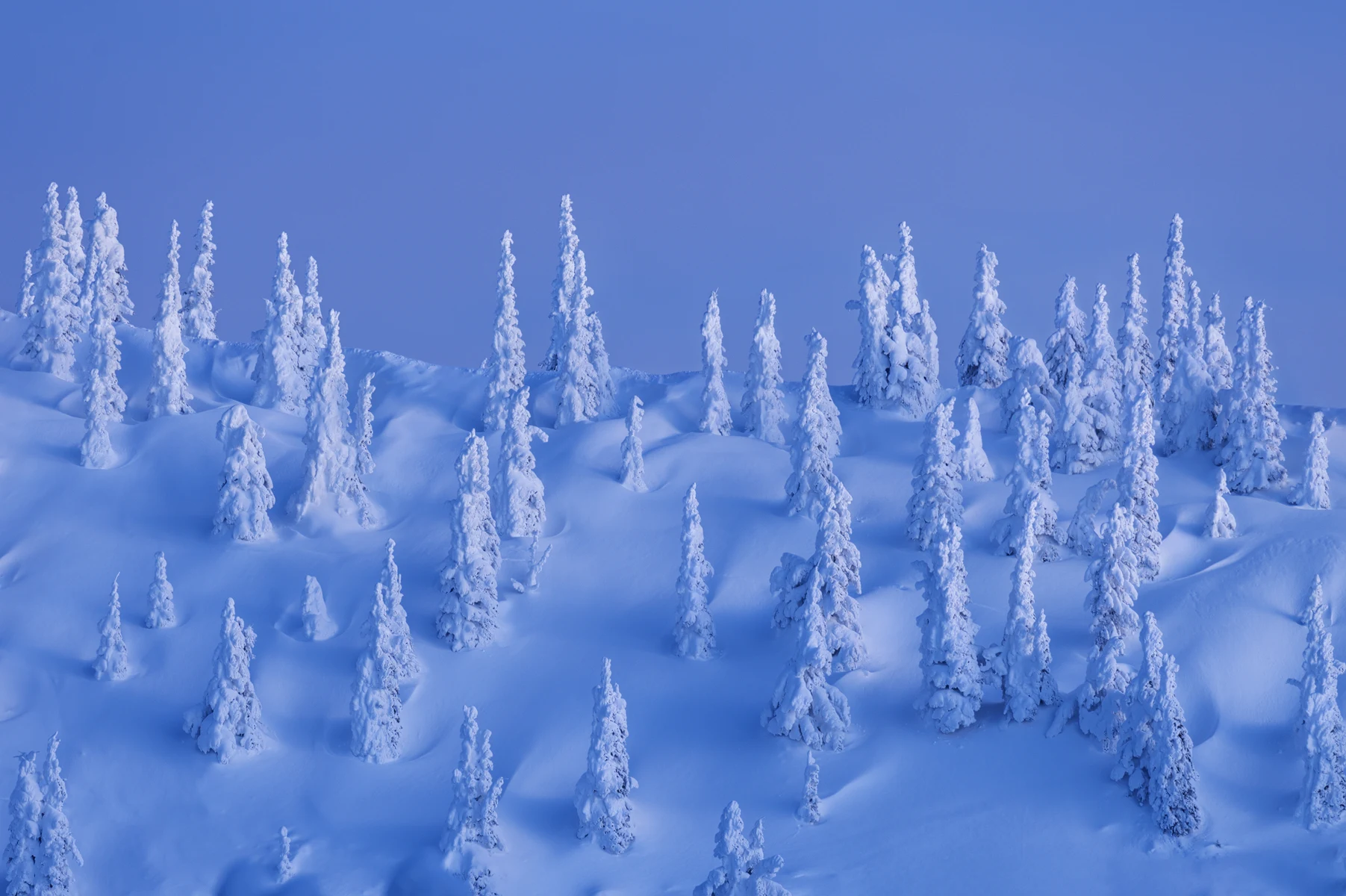
Snow-covered forests and hoodoos

Bryce Canyon without summer crowds

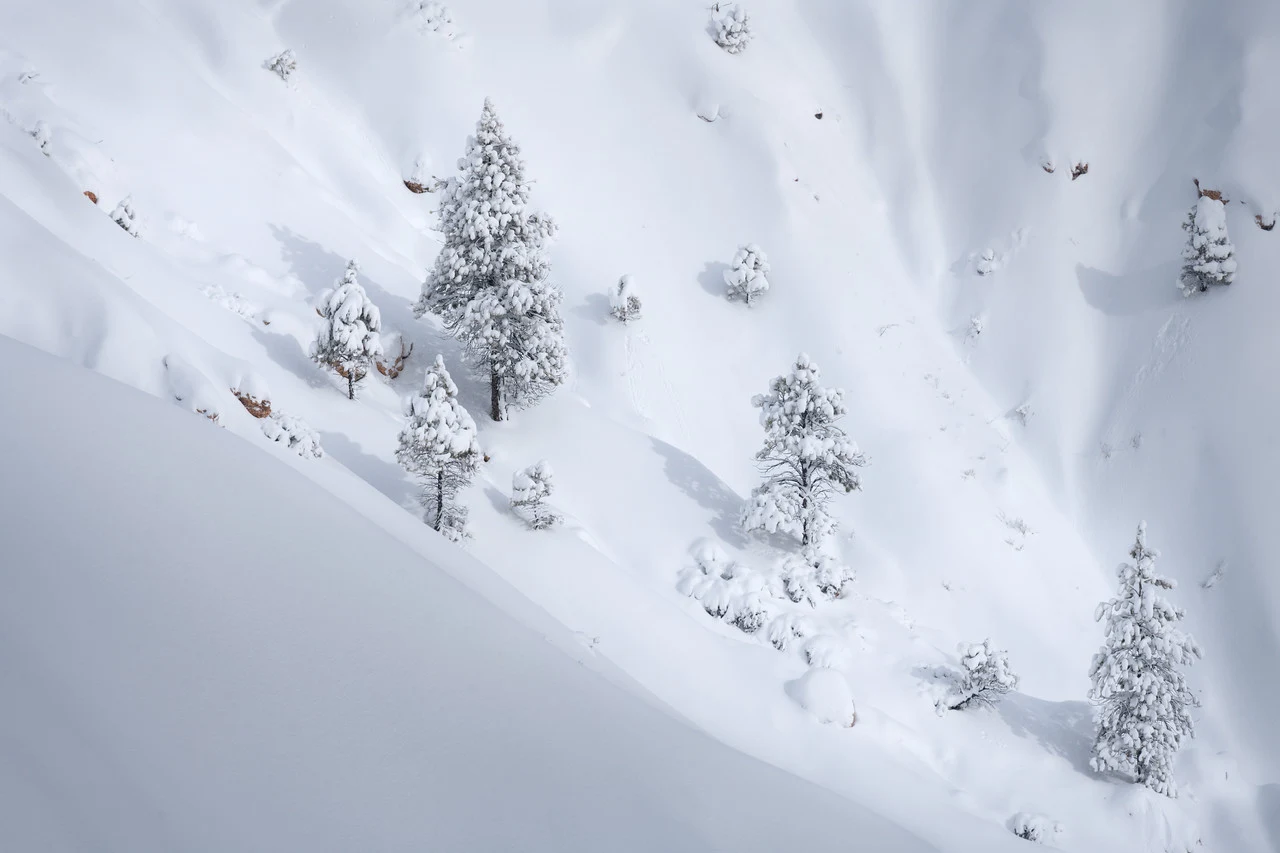
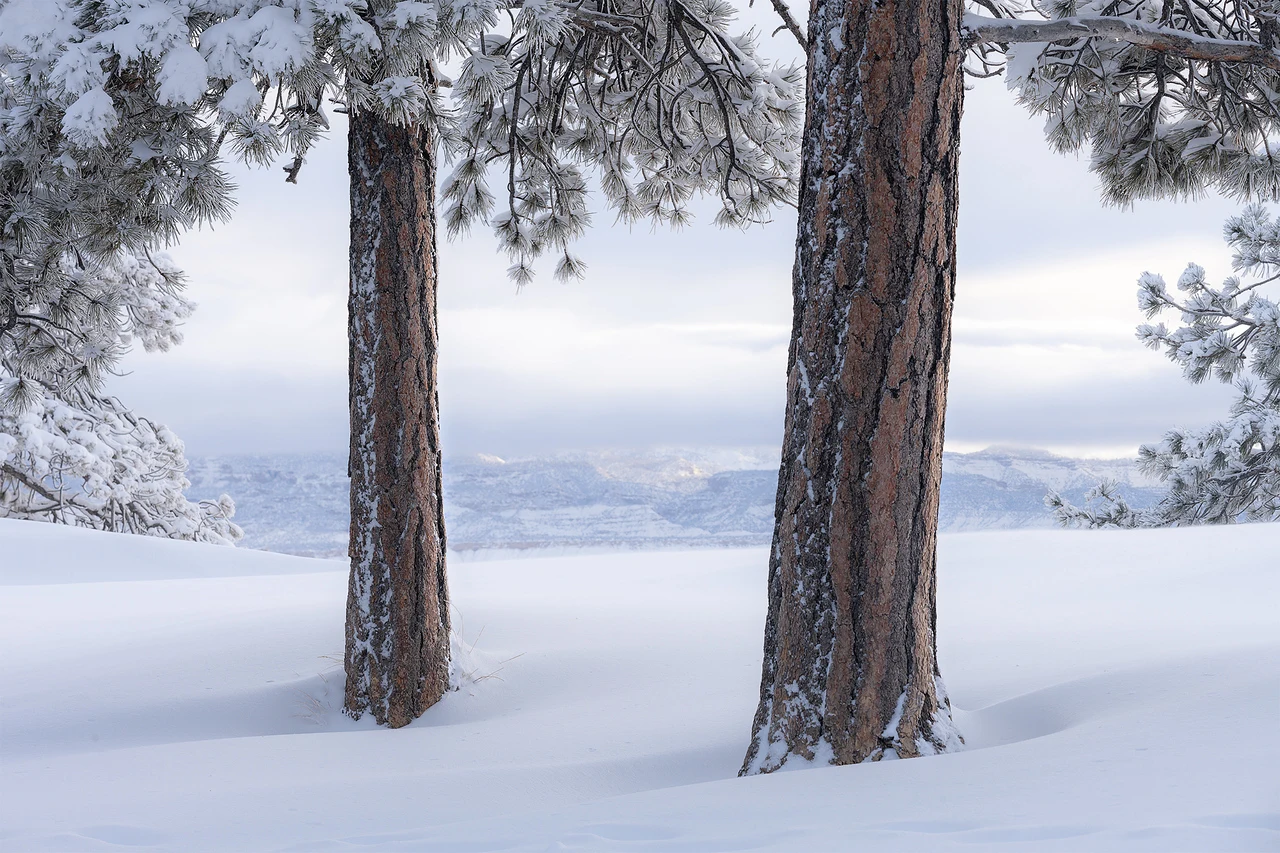
Snow-covered forest rising from deep winter drifts near Bryce Canyon

From Bryce Canyon in winter

Workshop Image Studies.

Undulating Drifts — winter photography from Bryce Canyon
Undulating Drifts
Ascend — winter photography from Bryce Canyon
Ascend
Whisper — winter photography from Bryce Canyon
Whisper
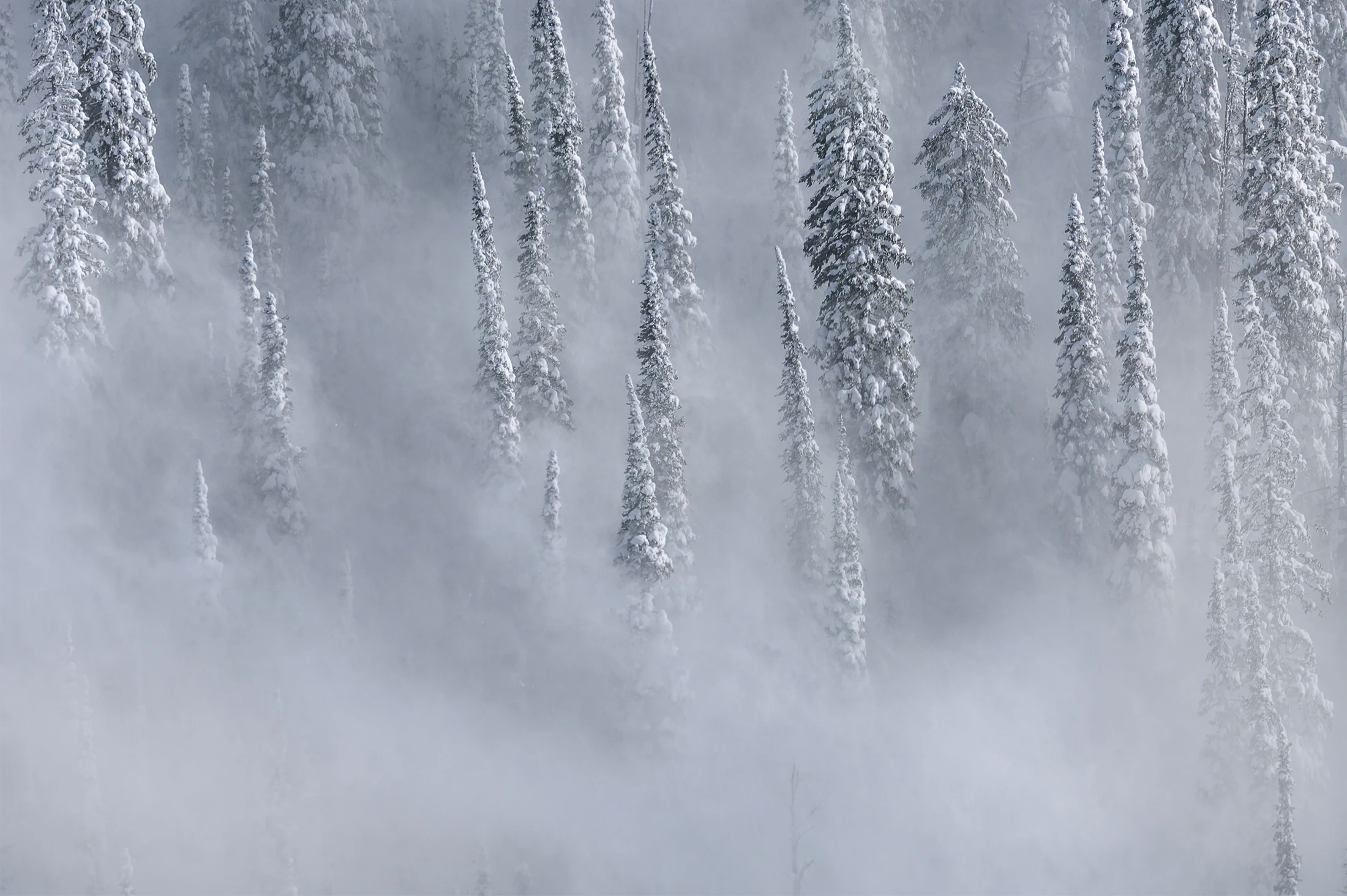
Winter Atmosphere — winter photography from Bryce Canyon
Winter Atmosphere
Snowbound Forest — winter photography from Bryce Canyon
Snowbound Forest
Clearing Storm — winter photography from Bryce Canyon
Clearing Storm

Workshop details

Everything you need before joining.

Prepare for cold, high-elevation conditions and a flexible schedule built around safety and the best available light.

Complete learning curriculum+

Photographing in full manual

Histogram and light-meter mastery

Composition and image design

Location-dependent camera settings

Finding the best light for winter scenes

Understanding what makes a strong image

Photographing intimate and small scenes

In-depth forest composition

Managing light and shadow

Lightroom and Photoshop editing

Recommended winter gear+

Camera gear

  • — Sturdy tripod and ballhead
  • — Wide, mid-range, and telephoto lenses
  • — Extra batteries and memory cards
  • — Shutter release and polarizer
  • — Laptop for post-processing

Personal gear

  • — Waterproof hiking boots and wool socks
  • — Crampons or traction devices
  • — Thermals, warm layers, and rain shell
  • — Winter gloves, beanie, buff, and gaiters
  • — Headlamp and hydration
Lodging, fitness, and dry-winter plans+

Lodging: Participants reserve and pay for their own rooms at Ruby’s Inn in Bryce Canyon City. Look for the hotel’s winter discount.

Physical requirements: Expect at least one mile of walking or hiking daily over variable, snowy, or icy terrain at high elevation.

Little or no snow: A dry winter can open additional viewpoints, side roads, forested plateaus, and quiet high-country locations normally inaccessible during deeper snow.

Frequently asked questions and cancellation+

Experience level: All levels are welcome, from beginners through advanced photographers.

Cancellation: Cancel more than 90 days before the workshop for a deposit refund minus $300. From 90 to 31 days, the deposit is retained unless the space fills, then refunded minus $300. Within 30 days, no refund is issued unless the space fills, minus $300.

Reserve your place

Book the Bryce Canyon Winter Workshop.

February 18–21, 2027

Bryce Canyon National Park, Utah

Payment option

Deposit

$750

The $750 deposit applies toward the $1,850 workshop price. The remaining balance is $1,100, due November 20, 2026.

Choose a payment option, then complete your registration securely here.

FAQ

Bryce Canyon Winter Workshop

Quick answers before booking.

What is the Bryce Canyon Winter Photography Workshop?+

It is a small-group winter workshop focused on snow-covered hoodoos, winter forests, reflected light, intimate scenes, and careful composition in Bryce Canyon National Park.

Where does the workshop meet?+

The workshop is based in Bryce Canyon City, Utah. Participants arrange their own lodging and transportation to the meeting location.

Are meals and lodging included?+

No. Lodging, food, beverages, airfare, and transportation to or from the airport are not included. Ground transportation during the workshop is included.

How cold or physical is this workshop?+

Expect winter conditions, high elevation, and at least one mile of walking or hiking daily over variable, snowy, or icy terrain.

What happens if there is little or no snow?+

The itinerary remains flexible. Dry winter conditions can open additional viewpoints, side roads, forested plateaus, and quiet high-country locations.

Get in touch

Questions about the workshop?

Send me a quick note and I will respond within a few hours. Ask about availability, experience level, equipment, or travel.

Prints, Field Notes & Workshops

Stay connected to the work.

Receive the free field guide, new print releases, workshop updates, and occasional notes from the landscape.

Email interests

By joining, you agree to receive emails from Hunter Page Photography. Unsubscribe anytime.