Project support for design professionals
Landscape Wall Art for Interior Designers
Interior designers, art consultants, architects, and procurement teams need more than a list of available prints. A successful specification depends on image fit, crop and proportion, finished size, medium, frame or edge detail, lighting, lead time, and a reliable record of what belongs on each wall.
Hunter Page Photography offers project-specific support for residential and commercial art selection. Custom-size landscape art can be discussed when the source file, composition, print medium, and production limits allow it. Every recommendation stays tied to the actual photograph rather than an invented stock image.
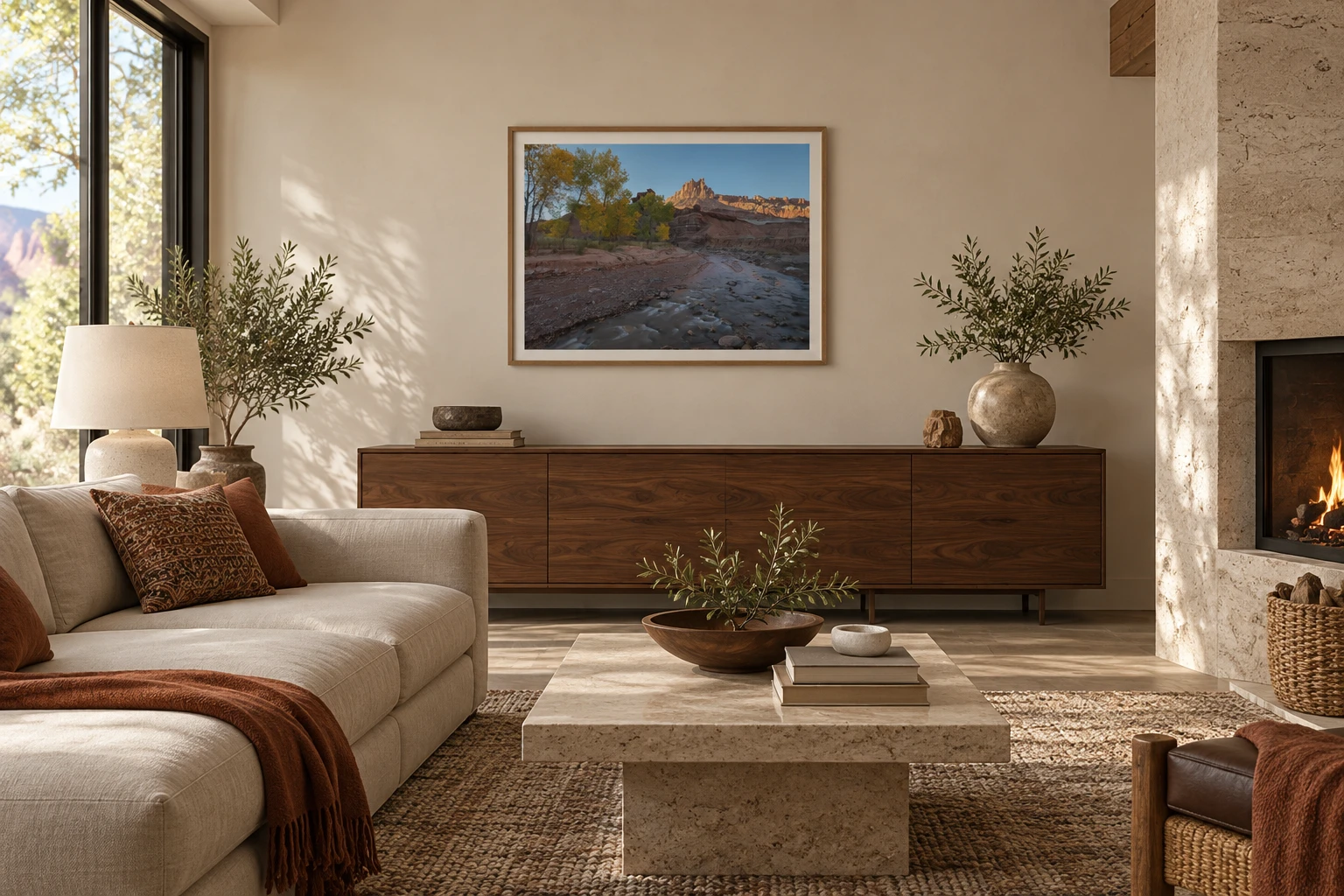
Selection guidance
What matters when choosing artwork for this setting.
- 01
Curated shortlists
Share the project type, palette, subject direction, wall dimensions, and desired feeling to receive a focused group of real Hunter Page photographs.
- 02
Custom-size review
Nonstandard dimensions are evaluated against the original file, aspect ratio, viewing distance, and available production options before they are promised.
- 03
Specification support
Final selections can be organized by image, wall, size, medium, and framing direction so design intent survives procurement and installation.
A trade process built around the actual wall
Begin with elevation drawings or straight-on wall photographs, one verified measurement, and the expected viewing distance. Add material samples or a concise palette when color coordination matters. From there, image orientation and finished scale can be narrowed before selecting the print presentation.
For a single statement wall, the goal may be one photograph with enough structure to hold a large format. For a hotel, clinic, or office, the work becomes a collection problem: hierarchy, variation, regional relevance, repeated dimensions, and consistent framing all need to be resolved together.
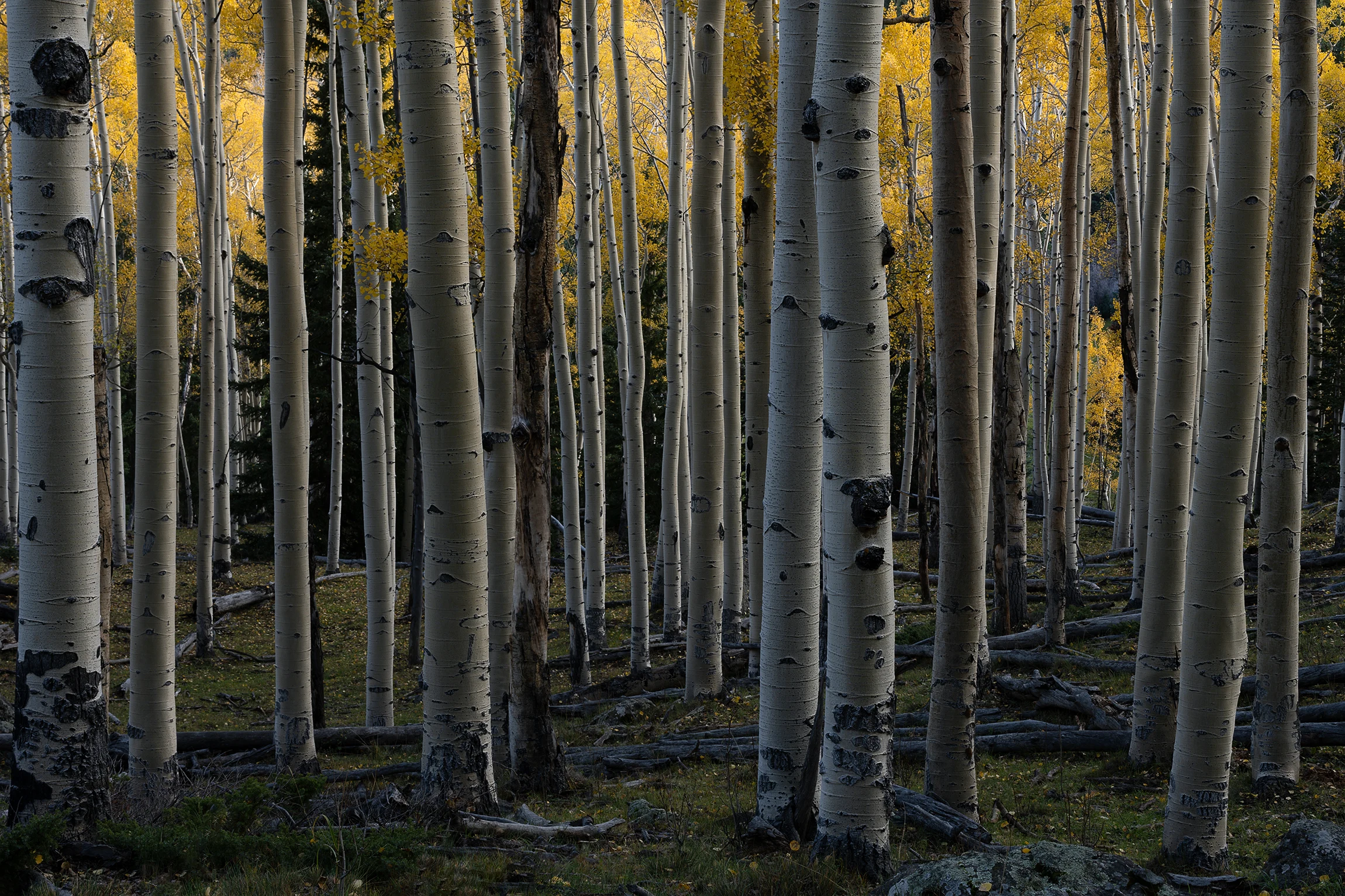
Why evidence-informed curation matters
Commercial art selection often includes claims about color, wellness, or productivity. The research is more nuanced. Color effects depend on context, and healthcare-art evidence varies in quality. Trade recommendations therefore distinguish between peer-reviewed findings, observed preferences, and design judgment.
That distinction protects both the project and the story told about it. Nature photography can support identity, visual relief, connection to place, and a more considered interior without being marketed as a guaranteed treatment or performance intervention.
Practical placement
How to specify the artwork for the actual space.
- Residential design
- Provide wall dimensions, furniture width, finish palette, and desired presence so scale and material can be judged together.
- Healthcare
- Identify patient population, sightlines, lighting, cleaning requirements, and review stakeholders before final selection.
- Hospitality
- Define hero locations, guest-room families, corridor rhythm, regional story, quantities, and replacement needs.
- Corporate
- Map public, client, focus, collaboration, and respite zones to distinct image and scale strategies.
Research sources
Evidence behind the guidance.
These peer-reviewed studies and reviews inform the page without turning artwork into a medical or performance promise. Individual responses, setting, lighting, culture, and research quality still matter.